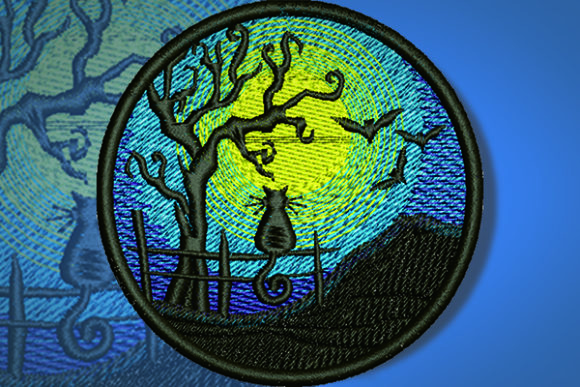
Cats Patch Review: A Stylish Choice for Embroidery Projects
As an embroidery designer who spends countless hours digitizing and stitching for both personal passion projects and commercial client orders, I am always on the lookout for design assets that balance aesthetic appeal with technical reliability. Recently, I came across the Cats Patch on Creative Fabrica, a design that immediately caught my eye for its clean lines and charming subject matter. Before committing to using it in a production run for a local boutique's custom apparel line, I wanted to evaluate whether this machine embroidery design holds up under the scrutiny of real-world application. This review breaks down the visual mood, technical performance, and commercial potential of this specific file.
First Impressions and Visual Mood
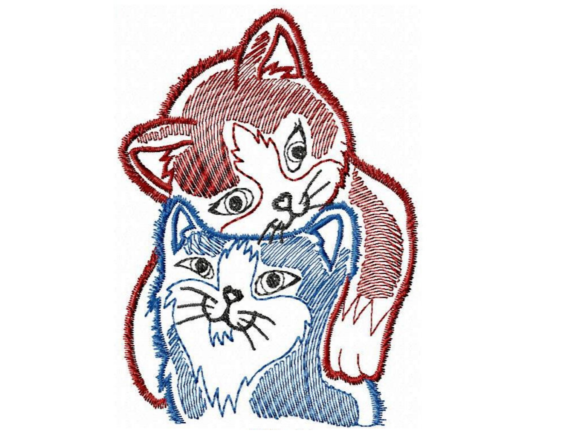
The first thing you notice about the Cats Patch is its distinct circular composition, which lends itself perfectly to the classic "patch" aesthetic that is currently trending in streetwear and casual fashion. The color palette is thoughtfully curated, utilizing four specific thread colors: dark blue, light blue, yellow, and black. This combination creates a striking contrast that feels both modern and playful. The dark and light blues provide a cool-toned foundation, while the pop of yellow adds a necessary warmth and focal point, likely highlighting the cat's features or decorative elements within the circle.
From a design perspective, the stitching personality appears robust. The description notes "right thread density," which suggests the digitizer has paid attention to how the threads lay on the fabric. For designers, this is crucial; poor density can lead to gaps in coverage or excessive bulk that distorts the final shape. The visual mood here is versatile—it is cute enough for nursery decor but stylized enough to work on a teenager's hoodie or a trendy tote bag. It avoids being overly childish, which broadens its marketability for commercial embroidery projects.
Performance in Real-World Applications
When considering where to apply the Cats Patch, the possibilities are extensive. Because it is designed as a self-contained circle, it functions beautifully as an embroidered patch that can be sewn onto various substrates. In a hypothetical customer order for a series of custom canvas tote bag design products, this motif would serve as a central branding element or a decorative accent. The circular shape fits well within standard hoop limitations, making it accessible for most home embroidery machines.
For those running a small business selling handmade product lines, this design shines in the realm of custom apparel. Imagine stitching this onto the chest pocket of a denim jacket or the front of a heavyweight sweatshirt. The sweatshirt embroidery market is saturated, but unique, high-quality motifs like this help listings stand out on platforms like Etsy. Furthermore, the design's simplicity makes it an excellent candidate for printable mockup creation. Before ever threading a needle, you can visualize how the dark blue and yellow threads will pop against different garment colors, aiding in marketing materials and social media previews.
Beyond apparel, the Cats Patch is suitable for home goods. It could easily adorn a kitchen towel, adding a whimsical touch to a housewarming personalized gift, or be stitched onto a pillow cover for nursery decor. The key to its versatility lies in its contained nature; it doesn't require a massive field of stitches that might warp lightweight fabrics, nor is it so tiny that it gets lost on larger items.
Technical Considerations for Stitching
While the visual appeal is strong, any experienced embroiderer knows that the devil is in the details. When working with a design described as having specific thread densities, it is vital to consider the fabric type. The Cats Patch utilizes a mix of what appears to be fill stitch for the colored areas and potentially satin stitch for the outlines or details. If you are planning to stitch this on stretchy fabric, such as a jersey knit t-shirt or a cap, the stability of the design becomes paramount.
For curved surfaces like caps, the circular nature of the design is advantageous, but you must ensure your hoop size accommodates the diameter without crowding. A common issue with circular patches on caps is distortion if the stabilizer isn't robust enough. I would strongly recommend using a cut-away stabilizer for this project to maintain the integrity of the circle after washing. Similarly, if applying this to dark fabric, the provided thread colors (dark blue, light blue, yellow, black) should offer sufficient coverage, but a test stitch on scrap fabric is non-negotiable. You need to verify that the light blue and yellow threads do not allow the dark background fabric to peek through, which can ruin the crispness of the digital embroidery file.
Another practical note concerns the "tiny lettering" or minute details often found in animal faces. While this design focuses on the graphic representation of a cat, any small internal details rendered in black thread against the dark blue background need to be inspected closely after the first run. If the stitch density is too high in these small areas, it can cause thread breaks or bird-nesting. Conversely, if it is too low, the details may look sparse. Always review the stitch-out on a similar weight fabric to your final product before committing to a full batch.
Enhancing Product Value and Brand Consistency
In the competitive world of handmade goods, the quality of your design assets directly impacts buyer trust. Using a well-digitized file like the Cats Patch contributes to a professional finish that customers associate with high-value items. A clean, dense stitch-out signals quality craftsmanship, whereas a poorly executed design can make even the most expensive garment look cheap. By choosing a design with a cohesive color story, you also enhance your brand consistency. If your shop specializes in cool-toned, modern aesthetics, the blue and yellow palette of this cat design fits seamlessly into that visual identity.
Moreover, the "giftability" of an item featuring this design is high. Cat lovers are a passionate demographic, and a well-executed embroidered item makes for a memorable present. The visual appeal of the finished product can significantly boost customer engagement on social media. High-contrast photos of the yellow and blue threads against a neutral garment background are likely to perform well in product photography, driving more traffic to your shop.
Final Verdict and Practical Advice
The Cats Patch from Creative Fabrica presents itself as a solid contender for designers looking to expand their catalog of animal-themed motifs. Its strength lies in its balanced color palette and its adaptable circular format, which suits everything from jackets to hats. However, as with any embroidery file, success depends on proper preparation.
Before launching into production, adhere to these best practices:
- Test on scrap fabric: Always stitch a sample on the exact material you intend to sell to check for puckering or registration issues.
- Check thread contrast: Ensure the light blue and yellow stand out clearly against your chosen garment color.
- Review stitch density: Look for any areas that seem too dense or too sparse, especially in the black detailing.
- Confirm hoop size: Measure the design dimensions against your machine's capabilities.
- Inspect licensing: Always visit the Creative Fabrica product page to confirm the license terms regarding commercial use before selling finished items.
While the product description mentions it is very suitable for jackets and hats with the right thread density, it does not specify the exact stitch count, file formats included, or specific hoop requirements. Therefore, it is essential to download the preview or check the detailed specifications on the seller's page to ensure compatibility with your specific machine setup. If you are looking for a reliable, aesthetically pleasing motif to elevate your finished product offerings, the Cats Patch is certainly worth considering, provided you take the time to validate its performance on your specific materials.