Cheetah Race Cars Redwork Design: A Pro Review
When I first pulled up the Cheetah Race Cars Redwork Design on my screen, my immediate reaction was one of nostalgic appreciation. In a world where embroidery files often lean heavily into hyper-realistic shading or overly complex fill patterns, there is something refreshingly bold about a well-executed redwork piece. As a designer who spends hours tweaking stitch paths and density for clients, I look for files that offer versatility without sacrificing character. This design, categorized under Transportation, immediately struck me as a perfect candidate for projects requiring high contrast and clean lines.
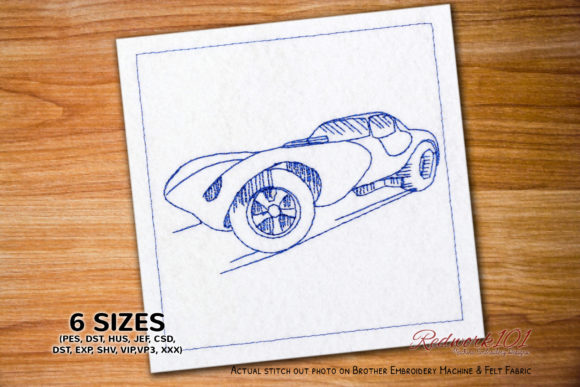
The visual personality of this file is distinct. It captures the energy of speed and the playful spirit of animal motifs without getting bogged down in unnecessary detail. The "redwork" style implies a reliance on running stitches or simple satin outlines, which generally means fewer thread breaks and faster run times on the machine. However, the true test of any machine embroidery design is not how it looks on a monitor, but how it translates to fabric in a real-world scenario.
Real-World Application: The Custom Tote Bag Test
To evaluate the practical viability of the Cheetah Race Cars Redwork Design, I envisioned a specific project: a custom order for a local boutique specializing in eco-friendly children's accessories. The client wanted a line of canvas tote bags featuring whimsical vehicle themes. This is a common request for Etsy sellers and small shop product creators who need designs that pop against natural or dyed fabrics.
In this scenario, the simplicity of the redwork style becomes a major asset. Canvas has a noticeable weave, and dense fill stitches can sometimes cause puckering or distort the fabric structure if the stabilizer isn't perfectly matched. Because this design likely utilizes outline-based stitching, it sits cleanly on top of the textured surface. The cheetah motif adds a layer of fun that appeals to kids, while the race car element keeps it gender-neutral and dynamic. If I were stitching this onto a tote bag design, I would anticipate a crisp finished product that withstands frequent handling better than a heavy fill design might.
Furthermore, for a handmade product intended for sale, the visual clarity is crucial. Customers browsing online or at a craft fair need to instantly recognize the subject matter. The bold lines of the cheetah and the car ensure that the image reads clearly even from a distance or in a printable mockup. This level of recognition directly impacts buyer engagement and perceived value.
Versatility Across Apparel and Home Decor
Beyond tote bags, I see immense potential for this embroidery file in the realm of custom apparel. Imagine this stitched onto the chest pocket of a denim jacket or the sleeve of a sweatshirt embroidery project. The transportation theme fits perfectly with streetwear trends that favor graphic, illustrative logos. For baby embroidery, this design could be adapted for a onesie or a burp cloth, provided the scale is reduced appropriately. The playful nature of a racing cheetah makes it an excellent choice for nursery decor, such as pillow covers or wall hangings.
For holiday embroidery or gift-giving seasons, this design offers a unique twist. It is not tied to a specific holiday, making it a year-round asset for commercial embroidery businesses. Whether used for a birthday gift, a baby shower present, or just a fun surprise, the universal appeal of cars and animals ensures it lands well. When considering digital embroidery file libraries, having a versatile piece like this allows a craft business to cater to a wider audience without needing to purchase niche seasonal designs.
Navigating Fabric Challenges and Stitch Density
While the design shows great promise, a professional reviewer must also address potential pitfalls. Redwork designs, by their nature, rely heavily on the quality of the line. If the stitch density is too low, the lines may appear gappy on certain fabrics. Conversely, if the stitches are too long between anchor points, they might snag on rough materials. When working with stretchy fabrics like jersey knits for t-shirts, using a cut-away stabilizer is non-negotiable to prevent distortion over time.
Special care must be taken if applying this to dark fabrics. Since redwork typically uses a single color or very few colors, ensuring high contrast is vital. A red thread on a navy blue background might work, but on black, it could get lost unless the thread has a high sheen or the user opts for a brighter shade. Additionally, if the design includes tiny details within the car or the cheetah's spots, these areas require close inspection. On textured fabrics like towels or fleece, small details can disappear. In such cases, simplifying the design or increasing the stitch length slightly might be necessary during the digitizing phase if you have editing capabilities.
Curved surfaces present another challenge. If you plan to use this for embroidered patch creation or cap embroidery, the layout of the race car needs to be flat enough to accommodate the curve of the hat without warping. The box stitch mentioned in the product notes is optional, which is a significant advantage. It allows the designer to frame the image for a square hoop or let it float freely for a more organic look on curved items.
Professional Notes for Commercial Use
Before integrating the Cheetah Race Cars Redwork Design into your production workflow, there are several practical steps to take. First, always test the design on a scrap piece of the actual fabric you intend to use. This "stitch-out" will reveal how the thread interacts with the material and whether the chosen hoop size is sufficient. Pay attention to the thread tension; redwork can sometimes look jagged if the top tension is too tight.
It is also wise to review the color sequence. The product description notes that the outer box color can be skipped or changed. This flexibility is excellent for branding consistency. If you are creating a line of products for a specific brand, being able to match the thread color exactly to their logo palette adds a layer of professionalism that clients appreciate. Always confirm licensing terms before selling finished items. While many designs allow for commercial use of the physical product, reselling the design assets themselves is usually prohibited.
Finally, consider the end-user experience. Will this item be washed frequently? If so, ensure that the start and stop points of the stitching are secure to prevent unraveling. For items like aprons or kitchen towels, durability is key. A well-stitched redwork design can last for years, becoming a cherished part of the user's daily life.
In conclusion, the Cheetah Race Cars Redwork Design stands out as a robust, versatile option for designers looking to add a touch of whimsy to their portfolio. Its strength lies in its simplicity and adaptability across various fabrics and products. By understanding its limitations regarding texture and scale, and by applying best practices in stabilization and thread selection, this design can elevate everything from a simple baby gift to a high-end boutique collection. It is a reminder that sometimes, less really is more in the world of embroidery.