Fish with Fins Keyfob Review: A Designer's Take
As an embroidery designer who spends more time at the hoop than anywhere else, I am always cautious about new downloads. We have all been there: you buy a digital embroidery file based on a pretty thumbnail, only to find the stitch count is inefficient, the density is too high for standard fabric, or the sizing is awkward for commercial use. Recently, I took a close look at the Fish with Fins Keyfob Keychain ITH available on Creative Fabrica to see if it holds up for real-world production. This isn't just a quick glance; this is an evaluation of how this design fits into a workflow for Etsy sellers, boutique owners, and crafters looking to expand their handmade product lines.
First Impressions and Visual Mood
The first thing that strikes me about the Fish with Fins Keyfob Keychain ITH is its versatility. In the world of machine embroidery design, "cute" often means overly simplified, but this design manages to strike a balance between playful charm and structural integrity. The visual mood is distinctly nautical yet modern, making it suitable for far more than just summer beach bags. It has a personality that works equally well for a nursery decor item or a quirky accessory for an adult's keys.
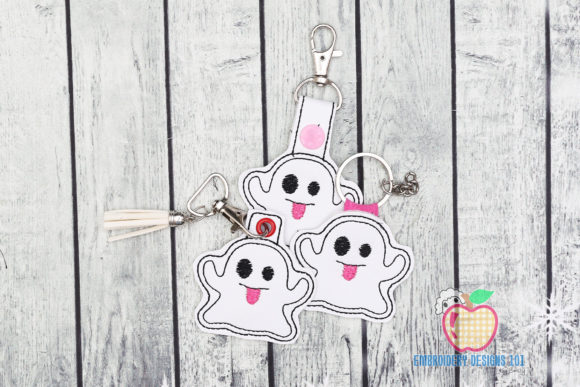
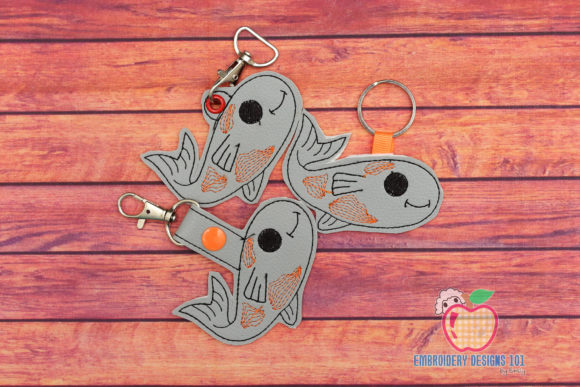
What sets this apart immediately is the inclusion of three distinct versions: Snap Tab, Eyelet, and Ribbon. For a professional, this is a huge time-saver. Instead of hunting for separate files or modifying a single design to fit different hardware, the creator has provided options that cater to various finishing preferences. The attention to the fins suggests a nice play of texture, likely utilizing a combination of satin stitch for the outlines and fill stitch for the body, which usually results in a premium look compared to simple running stitch designs.
Practical Application for Commercial Projects
When considering a new embroidery file for commercial use, I always ask: "Where does this actually sell?" The Fish with Fins Keyfob Keychain ITH shines here because key fobs are low-cost, high-margin items that customers love as add-ons. However, beyond the keychain itself, the design elements can be adapted. If you are selling custom apparel, the fish motif could easily be extracted (depending on the specific file layers) or used as inspiration for matching tote bag design collections.
For those running an Etsy shop or selling at craft fairs, this design is perfect for seasonal handmade gifts. Imagine a set of matching key fobs for a family fishing trip, or perhaps a teacher appreciation gift paired with a personalized pencil case. The 4×4 hoop compatibility mentioned in the product details is crucial. Most home-based businesses and small studios rely heavily on 4×5 or 5×7 machines, so a design that maximizes the 4×4 space without requiring a larger frame is incredibly valuable for efficiency. It allows you to run multiple units in a single hooping session if your machine has a multi-position arm, drastically increasing your output for commercial embroidery orders.
Navigating Fabric and Hoop Challenges
Let's get into the technical nitty-gritty. Any experienced embroiderer knows that the devil is in the details, specifically regarding stitch density and fabric choice. While the product description notes it is 4×4 hoop friendly and compatible with 5×7 hoops, the performance on different materials requires testing. Key fobs are typically made from faux leather, vinyl, or heavy cotton twill. These materials behave very differently than standard quilting cotton.
If you plan to use this design on textured fabric or stretchy material like a sweatshirt, you must pay attention to the stabilizer. For a project like this, which involves an In-The-Hoop (ITH) construction, the structural stability of the final product is paramount. I recommend using a cut-away stabilizer rather than tear-away for any application where the key fob will undergo frequent tension, such as being clipped to a backpack or purse. Furthermore, if you are attempting to place this motif on curved cap surfaces or dark fabrics, thread color contrast becomes critical. A dark navy fish on a black key fob tab might look sophisticated in a mockup but disappear entirely in real life. Always compare light and dark fabric mockups before committing to a production run.
Another consideration is the small details. The "fins" in the title suggest delicate extensions. On small hoop sizes, tiny details can sometimes get lost if the thread tension is slightly off or if the needle deflects on thicker materials. It is essential to inspect small details after stitching a test sample. If the design includes tiny lettering or intricate scales, ensure your machine is freshly oiled and your needle is sharp to prevent bird nesting or skipped stitches.
Enhancing Product Value and Brand Consistency
In the competitive market of handmade goods, presentation is everything. Using a well-structured design like the Fish with Fins Keyfob Keychain ITH can significantly affect product value. A sloppy, puckered key fob tells a customer that the entire item is low quality, whereas a crisp, clean stitch builds buyer trust. This design, with its clear versions for different hardware, allows for brand consistency. You can offer a "Snap Tab" version for a modern, sleek look and a "Ribbon" version for a softer, boutique feel, all while maintaining the same core aesthetic.
For digital product sellers or those creating printable mockup portfolios, having a design that photographs well is essential. The defined edges of the fish and the clean finish of an ITH project make for stunning product photography. High-quality images drive engagement on social media and increase click-through rates on marketplace listings. When a customer sees a finished product that looks professional and durable, they are more likely to perceive it as a valuable personalized gift rather than a cheap trinket.
Final Verdict and Usage Notes
So, is the Fish with Fins Keyfob Keychain ITH worth adding to your library? From a designer's perspective, yes, provided you approach it with the right preparation. It offers the flexibility needed for diverse product lines, from embroidered patch applications to full sweatshirt embroidery projects if scaled or adapted. The inclusion of multiple attachment styles (Snap Tab, Eyelet, Ribbon) demonstrates a thoughtful approach to user needs, saving you the hassle of digitizing your own variations.
However, before you start churning out inventory, adhere to these practical steps:
- Test on scrap fabric: Never skip this step. Use the exact material you intend to sell, whether it is vinyl, canvas, or terry cloth for kitchen towels.
- Check thread color contrast: Ensure your chosen palette pops against the background material, especially for dark fabrics.
- Review stitch density: If the design feels too dense for your material, consider editing the file in your software to reduce pull.
- Confirm hoop size: While listed as 4×4 friendly, double-check the actual dimensions in your machine's preview mode to ensure it fits your specific hoop model.
- Use proper stabilizer: Match the stabilizer weight to the fabric weight to prevent distortion during the ITH process.
- Verify licensing: Always confirm file details and licensing terms on the Creative Fabrica product page before selling finished items to ensure compliance with commercial use policies.
In conclusion, the Fish with Fins Keyfob Keychain ITH represents a solid asset for creative entrepreneurs. It bridges the gap between fun, thematic design and functional, durable construction. Whether you are decorating aprons, creating nursery decor, or stocking up on holiday gifts, this design has the potential to elevate your finished products. Just remember that the quality of the final item depends as much on your execution—your choice of thread, stabilizer, and fabric—as it does on the quality of the original design assets. Happy stitching!