Floral Pattern Bluework: A Designer's Review for Craft Fairs
As an embroidery designer preparing for a busy weekend at the local artisan market, my table needs to tell a story instantly. Customers walk by quickly, and their eyes need to catch something that screams quality and style before they even stop to ask a question. Today, I am reviewing Floral Pattern Bluework to decide exactly where it fits in my booth lineup. This isn't just about whether the file runs smoothly on the machine; it is about whether this design will move inventory and build my brand as a creator of premium handmade goods.
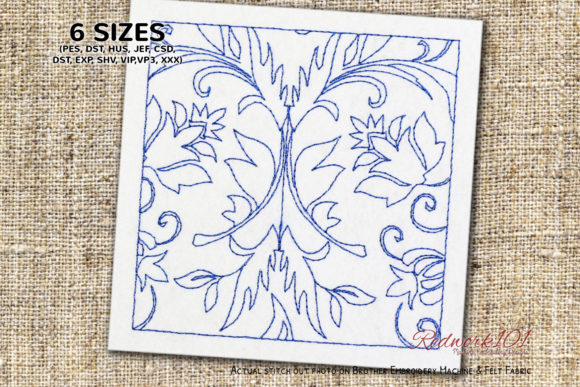
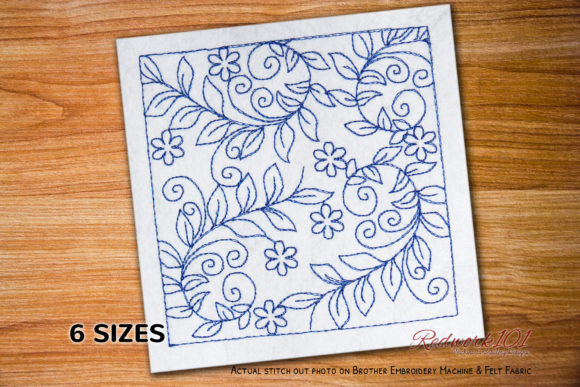
The first impression of Floral Pattern Bluework is undeniably elegant yet approachable. The title suggests a classic aesthetic, likely leaning into traditional bluework techniques where varying shades of a single color create depth and dimension. In a market saturated with loud, multi-colored neon designs, this offers a sophisticated alternative. It feels rustic but refined, perfect for the modern farmhouse trend that continues to dominate home decor and fashion accessories. For an Etsy seller or boutique maker, this kind of visual restraint often signals higher value, allowing you to charge a premium for a that looks curated rather than mass-produced.
Visual Impact on Market Products
When I visualize Floral Pattern Bluework on actual goods, the versatility becomes clear. The strongest contender for this design is undoubtedly the tote bag design. A canvas tote in natural or off-white provides the perfect neutral backdrop for blue thread work. The contrast would be striking, making the floral elements pop without looking chaotic. This makes it an ideal craft fair product because tote bags are impulse buys; customers love grabbing a useful item that looks artistic.
Beyond bags, this design shines as apron embroidery. Kitchen linens are a staple for handmade vendors, and a blue floral motif on a heavy cotton apron suggests durability and charm. Similarly, tea towel embroidery benefits from the clean lines of outline flowers. However, one must be cautious with fabric texture. If the towel has a heavy waffle weave, fine details might get lost. I would recommend testing on a flat-weave linen or cotton blend to ensure the stitch density remains visible and crisp.
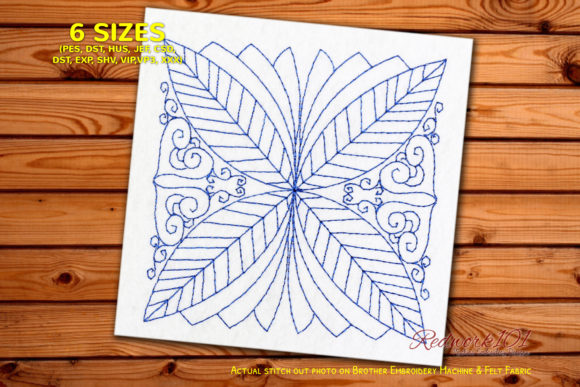
For smaller items like embroidered patches or fabric pouches, this pattern could serve as a beautiful focal point. Patches are low-cost entry points for customers who want a taste of your brand. If the design scales down well, it becomes a versatile asset. However, if the floral details are too intricate, they may blur when reduced to a two-inch circle. This is where the note about the optional box stitch becomes relevant. The description mentions that "The Box Stitch shown in the picture is optional." For patches or small pouches, skipping the outer box might be necessary to maintain clarity and prevent the design from looking cluttered.
Production Realities and Practical Notes
Turning a digital embroidery file into a stack of finished products requires more than just hitting start. Before committing to a full production run for the fair, there are several critical steps to take. First, always test the design on scrap fabric that matches your final product. What looks good on polyester might behave differently on thick cotton twill or textured canvas.
You must also check thread contrast. Since this is a bluework design, the variation in thread shades is what creates the illusion of depth. Ensure your thread palette has enough range from light sky blue to deep navy. If the colors are too similar, the floral pattern will look flat and uninteresting from a distance. Additionally, review the spacing between elements. Crowded stitches can cause bird nesting or thread breaks, especially on high-speed commercial machines.
Regarding the specific file details, the product description notes: "The color of the outer Box is a different color in most of the designs unless it is part of the design itself, you can skip the color dir." This implies some customization is needed on your end. It is vital to confirm hoop size before loading the file. If the design is large, you may need a 5x7 or 6x10 hoop, which limits where you can place it on smaller items like caps or coin purses. Furthermore, since exact stitch counts and specific license terms are not provided in the brief description, you must confirm commercial licensing before selling finished products. Never assume a file is free for commercial use without explicit documentation.
Navigating Fabric and Surface Challenges
Not every surface is created equal. While Floral Pattern Bluework would look stunning on a flat pillow cover, applying it to a curved cap surface requires extra attention. The curvature can distort the floral shape, making petals look uneven. If you plan to offer caps, use a sturdy stabilizer designed for structured hats to prevent puckering. Similarly, when working with dark fabric, ensure the blue threads are light enough to stand out, or consider using a white underlay to boost vibrancy, though this adds height to the design.
Tiny details and small lettering should be avoided if you plan to resize this design significantly. Outline flowers rely on continuous lines; if those lines become too thin during resizing, they may not stitch out cleanly. Always inspect the stitch density after resizing. A design that is too dense can make fabric stiff and uncomfortable, which is a dealbreaker for wearables like aprons or clothing.
Maximizing Sales and Brand Consistency
In the context of a craft fair booth, consistency is key. Using Floral Pattern Bluework across multiple items—totes, towels, and patches—creates a cohesive collection. This strengthens your brand identity and makes your table look professional. Customers are more likely to trust a vendor whose products look like they belong together.
For online sales, this design photographs beautifully. The monochromatic blue scheme reduces visual noise, making it easier to create a clean printable mockup for your Etsy listings. High-quality photos are essential for an Etsy seller, and a design with clear definition helps potential buyers see the texture and quality of the stitching even through a screen.
Ultimately, Floral Pattern Bluework has the potential to be a bestseller if handled with care. It bridges the gap between traditional craftsmanship and modern aesthetics. By focusing on the right fabrics, verifying the technical specifications like hoop size and stabilizer needs, and understanding the optional elements of the file, you can transform this machine embroidery design into a profitable line of handmade products. Whether used for commercial embroidery runs or small-batch creative projects, its elegance ensures it will capture buyer engagement and add tangible value to your finished goods.
Remember, the success of any design assets lies in the execution. Take the time to create at least one real mockup, compare different fabric colors, and ensure every stitch contributes to the overall beauty of the piece. With these precautions, Floral Pattern Bluework can become a signature element of your embroidery business.