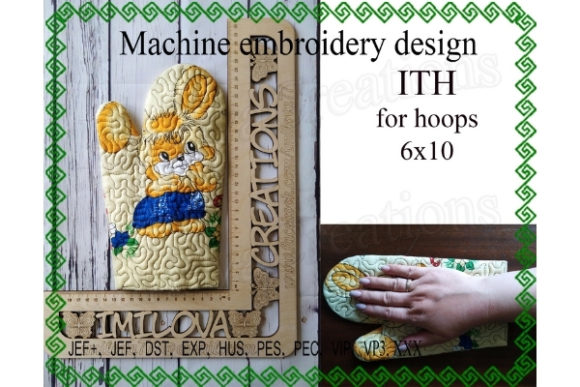
Potholder in the Hoop: A Designer's Review for Craft Fairs
As an embroidery designer who spends weekends behind a bustling craft fair booth, I am constantly evaluating which machine embroidery design will stop a customer in their tracks. When I recently pulled up the Potholder in the Hoop file on my screen, my first instinct was to imagine it not just as a kitchen utility, but as a versatile asset for my entire product line. The description promises high quality and multiple formats, which is music to my ears, but the real test is how it translates from a digital embroidery file to a tangible handmade product that people want to buy.
First Impressions and Market Appeal
The initial vibe of the Potholder in the Hoop feels undeniably rustic and functional, tapping into the ever-popular farmhouse aesthetic that dominates home decor trends. For a craft fair seller, this is gold. Customers at these events are often looking for items that feel cozy, authentic, and useful. This design does not scream "mass-produced"; instead, it suggests a level of care and attention to detail that defines a premium small shop product. Whether you are aiming for a cute, modern look or something more traditional, the versatility here allows it to fit seamlessly into a boutique maker's collection.
When setting up my display table, visual hierarchy is everything. I need items that pop from three feet away. The Potholder in the Hoop has the potential to be a strong focal point if executed correctly. On a simple cotton tote or a linen apron, the design offers a clear, understandable graphic that communicates its purpose instantly. It is bold enough to be noticed but refined enough to look elegant on higher-end goods.
Versatility Across Product Lines
One of the biggest challenges for an Etsy seller or craft fair vendor is maximizing the return on investment for every design purchased. The beauty of the Potholder in the Hoop lies in its adaptability across various substrates. Here is how I see it performing on different items in my booth:
- Tote Bags: As a central tote bag design, it adds immediate character to a plain canvas bag, turning a generic carrier into a statement piece for grocery runs or farmers market trips.
- Aprons: Apron embroidery is a huge seller during the holidays. Placing this design on the bib of a heavy-duty canvas apron creates a professional, gift-ready item.
- Kitchen Textiles: For tea towel embroidery, the design must be scaled appropriately. If the details are too fine, they may get lost in the weave of a waffle towel, but on a smooth flour sack towel, it would look crisp and charming.
- Patches and Pouches: By stitching this onto twill and cutting it out, you create a durable embroidered patch that can be ironed onto jackets or bags. It also works beautifully as a decorative element on small fabric pouches or zipper cases.
- Home Decor: Pillow covers and market bags benefit greatly from this motif, adding a touch of handmade warmth to living spaces.
Production Realities and Batch Efficiency
From a production standpoint, the key question is: can I make ten of these before lunch? The Potholder in the Hoop appears to be structured for efficiency. "In the hoop" projects often streamline the process by combining stitching and assembly, which is crucial when preparing for a weekend rush. If the design relies on standard satin stitches rather than overly complex fill patterns, it reduces thread breaks and trimming time. This repeatability is essential for commercial embroidery where time equals money.
However, a smart designer always checks the technical specs before committing to a large batch. While the product description mentions multiple file formats, it does not specify exact stitch counts or recommended hoop dimensions. Before running a full production cycle, I would strongly advise checking these details. A design that is too dense might cause puckering on lighter fabrics, while one that is too sparse might look cheap on thick materials.
Critical Considerations for Fabric and Finish
To ensure the finished product meets high standards, there are several practical factors to keep in mind:
- Fabric Texture: Thick, textured towels can swallow up small details. If the design includes tiny lettering or fine lines, test it on a scrap of your intended fabric first. You may need to simplify the design or increase the size for textured surfaces.
- Thread Contrast: The visual impact relies heavily on thread colors contrasting with the fabric. On dark fabrics, ensure you have enough underlay or use a lighter backing to prevent the fabric from showing through the stitches.
- Curved Surfaces: If you plan to put this on caps, remember that curved surfaces distort designs. What looks flat on the screen might warp on a structured hat unless the digitizing accounts for pull compensation.
- Stabilizer Choice: Using the right stabilizer is non-negotiable. For kitchen items that will be washed frequently, a cut-away stabilizer is often better than tear-away to maintain the shape and integrity of the stitch density over time.
Maximizing Sales Through Presentation
Beyond the physical stitching, the Potholder in the Hoop plays a vital role in your marketing strategy. For online listings, a high-quality printable mockup featuring this design can significantly boost click-through rates. It helps customers visualize the item in their own homes. In a physical booth, grouping items with this consistent design theme—such as a matching set of a tote, apron, and towel—creates a cohesive brand story. This consistency builds trust and encourages buyers to purchase multiple items as a set.
Ultimately, the value of this digital embroidery file comes down to how well it enhances your brand. Does it look professional? Does it solve a problem for the customer? The Potholder in the Hoop seems poised to do exactly that. It bridges the gap between utility and art, making it a strong contender for any craft fair product lineup.
Final Designer Notes
Before you list this as a commercial embroidery item, take the time to stitch a sample. Check the spacing, inspect the back of the hoop for messy jumps, and confirm that the hoop size fits your machine's capabilities. Most importantly, verify the licensing terms. While the description suggests it is ready for your next project, always confirm that you have the rights to sell finished goods made with this specific design asset. With careful preparation and a keen eye for detail, the Potholder in the Hoop can become a staple in your Sewing and Embroidery business, driving engagement and sales all season long.