Mardi Gras Jester: A Bold Pick for Craft Fairs
As an embroidery designer preparing for the upcoming weekend craft fair circuit, my table strategy is everything. I am not just stitching for fun; I am curating a collection of handmade products that need to stop scrolling feet and convert browsers into buyers. This week, I am putting the Mardi Gras Jester under the microscope. This isn't a theoretical review; it is a practical assessment of whether this design belongs on my best-selling tote bags or if it should stay in the digital folder.
First Impressions: Festive, Bold, and Market-Ready
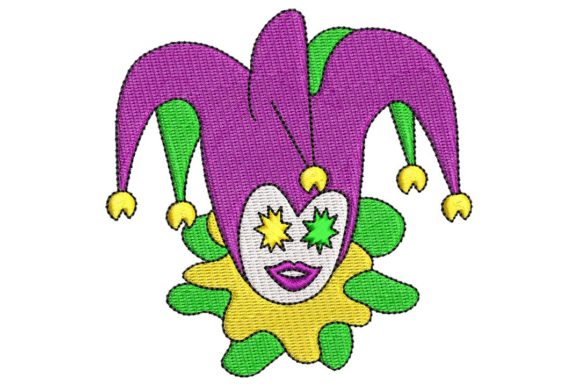
The moment I loaded the machine embroidery design into my software, the vibe was undeniable. The Mardi Gras Jester screams celebration. It is not subtle, nor is it trying to be farmhouse rustic or minimal modern. It is festive, colorful, and inherently fun. For a craft fair product, this is a massive advantage. In a sea of neutral tones and generic florals, a jester motif cuts through the noise. It immediately signals "party," "gift," and "unique find." The description notes that this lovely embroidery will look great on any fabric, and visually, the character work suggests a level of detail that feels premium rather than cheap. It has the kind of personality that makes a small shop product feel like a boutique discovery.
Product Versatility: Where Does It Shine?
The real test for any digital embroidery file is its adaptability across different substrates. Here is how I see the Mardi Gras Jester performing on my planned booth inventory:
- Tote Bags and Market Bags: This is the sweet spot. A large hoop placement on a canvas tote allows the jester's details to breathe. As a tote bag design, it offers high visibility. Customers love themed bags for carrying party supplies or groceries with flair.
- Aprons and Tea Towels: Kitchen linens are staples at fairs. Apron embroidery featuring a jester adds a whimsical touch to cooking gear, while tea towel embroidery works well as a lower-cost impulse buy. However, one must be careful with looped towels; the texture can sometimes eat up fine details.
- Embroidered Patches: If the design scales down well without losing clarity, turning this into an iron-on or sew-on embroided patch is a genius move. Patches are low-shipping-cost items perfect for Etsy sellers and fair goers who want to customize their own denim jackets.
- Caps and Pouches: These are trickier. The curved surface of a cap requires precise digitizing to prevent puckering. If the jester has a wide stance, it might distort on a structured hat. Small pouches are viable if the design is simplified or resized correctly.
Visual Appeal and Customer Engagement
In a busy marketplace, visual appeal drives sales. The Mardi Gras Jester excels here because it tells a story instantly. It does not require the customer to squint or ask, "What is that?" It creates immediate brand consistency if you are running a booth focused on holidays or celebratory themes. When photographed for online listings, this design demands vibrant thread colors. Using a high-contrast palette—purples, greens, and golds against white or black fabric—will make your printable mockup images pop on social media. A strong image leads to higher engagement, and ultimately, more sales of the finished product.
Production Realities and Practical Notes
Before committing to batch production, we must address the technical realities. The product description states the design comes with multiple embroidery file formats, which is excellent for compatibility. However, as a professional, I advise checking the specific hoop size requirements before purchasing. You do not want to get halfway through a run of fifty aprons only to realize the design exceeds your machine's capacity.
Furthermore, pay close attention to stitch density. Jester costumes often involve hats with bells, ruffled collars, and masks. These areas can become dense quickly. High density on thick fabric can cause needle breakage or fabric distortion. On textured towels, dense satin stitches might sink in, losing definition. Always test the design on scrap fabric that matches your final product material. Check the spacing between elements; if the bells on the hat are too close, they may merge into a blob of thread after washing.
Careful-Use Considerations for Sellers
To ensure your commercial embroidery efforts yield profit rather than waste, keep these warnings in mind:
- Fabric Texture: Avoid using this on highly textured waffle weaves unless the design is specifically digitized for them. Smooth cotton or canvas is safer.
- Dark Fabric: If stitching on black or navy, ensure the digitizer included underlay stitches to prevent the fabric from showing through the lighter thread colors.
- Small Lettering: If the design includes text like "Let the Good Times Roll," verify it remains legible at smaller sizes. Tiny lettering often fills in and becomes unreadable.
- Curved Surfaces: Be cautious with caps. The center of the design must align perfectly with the cap's seam to avoid twisting.
Maximizing Value and Brand Consistency
Using the Mardi Gras Jester strategically can elevate your entire booth. It acts as a focal point. Even if a customer doesn't buy the jester item, the energy it brings to the display draws them in, where they might purchase a different item. It enhances perceived value; a well-executed, complex character design looks like it took time and skill, justifying a higher price point than a simple monogram.
For Etsy sellers and digital entrepreneurs, this design is a versatile asset. It fits squarely into the Holidays category but has longevity for theater groups, costume parties, or New Orleans-themed events year-round. Creating a cohesive line of products—matching tote, patch, and pillow cover—creates a "collection" feel that encourages multiple purchases.
Final Designer Recommendations
Before you list this as a craft fair product or upload it to your shop, follow this checklist. First, confirm the commercial licensing terms explicitly. The description mentions it can be used in multiple embroiderers, but always verify you have the right to sell finished goods. Second, create at least one real physical mockup. Do not rely solely on digital previews. Third, review your stabilizer choice. A cut-away stabilizer is likely necessary for stretchy fabrics to maintain the integrity of the jester's shape over time. Finally, compare fabric colors. This design likely shines brightest on solid, contrasting backgrounds.
The Mardi Gras Jester is more than just a cute graphic; it is a potential best-seller if treated with the respect of a professional production piece. By understanding its strengths in boldness and festivity, and mitigating risks regarding density and fabric choice, you can turn this embroidery file into a cornerstone of your handmade business. Whether you are an experienced pro or a creative entrepreneur starting out, this design offers the vibrancy needed to stand out in today's crowded market.